

What is THC-A?
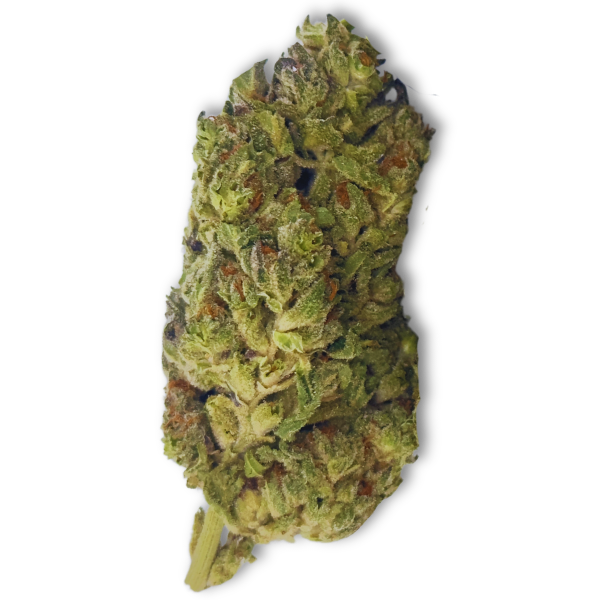
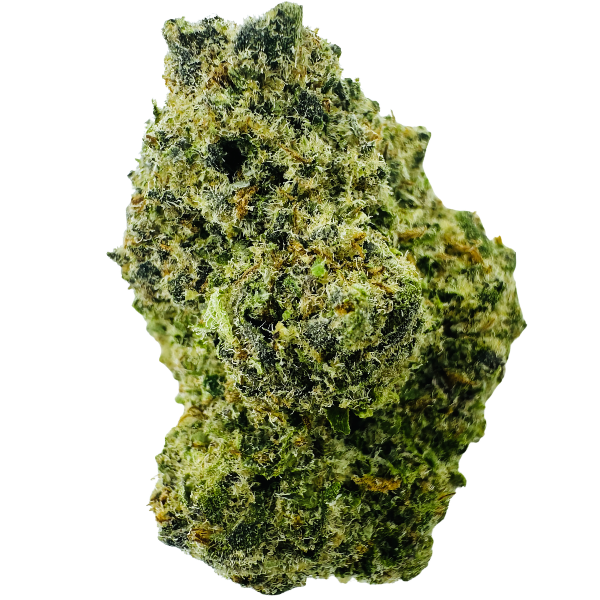
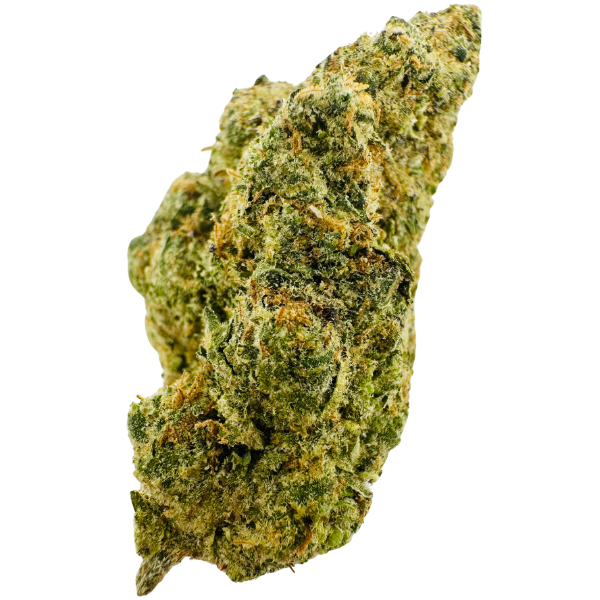
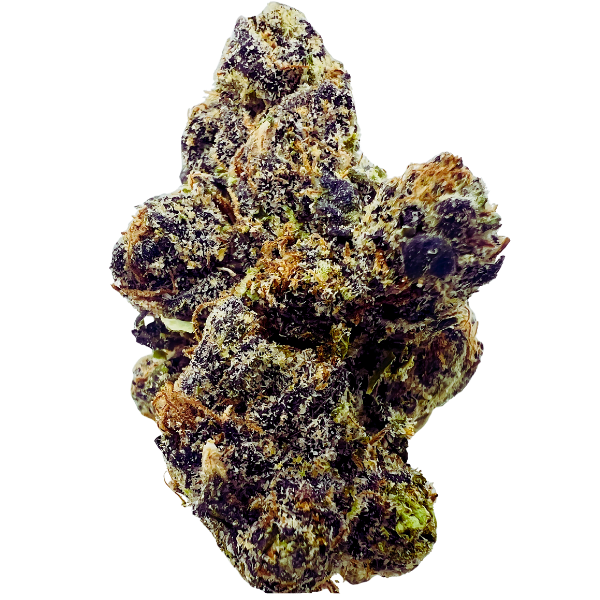
THC-A (tetrahydrocannabinolic acid) is the most abundant cannabinoid in raw, living cannabis. It's produced naturally by the plant as it grows and is the chemical precursor to Delta-9 THC — the compound most associated with cannabis effects. In its raw form, THC-A is non-intoxicating. It only becomes active THC when exposed to heat through a process called decarboxylation.
How THC-A Becomes THC
When you light flower, heat a vape, or bake an edible, you trigger decarboxylation — a chemical reaction that removes a carboxyl group (COOH) from the THC-A molecule, converting it into Delta-9 THC. This happens rapidly when smoking or vaping (above 220°F / 104°C) and more gradually during cooking. Not all THC-A converts — the typical conversion rate is about 87.7%, based on the molecular weight difference between the two compounds.
Source: Wang et al., Journal of Chromatography A, 2014
What Does the THC-A% Mean?
The THC-A percentage on a product label reflects how much tetrahydrocannabinolic acid is present by dry weight, as measured by a third-party lab. A higher percentage means more THC-A is available to convert into active THC when heated. Flower typically ranges from 15% to 35%+ THC-A. However, the number alone doesn't predict your experience — terpenes, minor cannabinoids (like CBG and CBC), and your own tolerance all shape the effects.
Higher THC-A% always means a stronger, better experience.
Research published in Drug and Alcohol Dependence (2020) found no significant correlation between THC potency and the intensity of user-reported effects. Terpenes and minor cannabinoids work together in what scientists call the "entourage effect," meaning a 22% strain with a rich terpene profile can feel more potent than a 30% strain with a flat one.
THC-A vs. Delta-9 THC
- Found in raw, unheated flower
- Non-intoxicating on its own
- Acidic cannabinoid (has COOH group)
- What's listed on lab reports
- Potential anti-inflammatory properties
- Created when THC-A is heated
- Produces psychoactive effects
- Neutral cannabinoid (COOH removed)
- What you actually experience
- Binds to CB1 receptors in the brain
Now You Know
THC-A is where it all starts. Understanding it helps you read labels, compare strains, and make smarter choices. Browse our lab-tested flower and see the numbers for yourself.
← Back to Knowledge