

Same Plant, Different Law
Hemp and marijuana are both Cannabis sativa. Genetically, they're the same species. The distinction between them is purely legal, based on one number: the concentration of Delta-9 THC. Under federal law, cannabis with 0.3% or less Delta-9 THC by dry weight is classified as hemp. Cannabis with more than 0.3% is classified as marijuana. This threshold was established by the 2018 Farm Bill and is the single factor that determines legal status at the federal level.
The 2018 Farm Bill
The Agriculture Improvement Act of 2018, signed into law on December 20, 2018, removed hemp from the Controlled Substances Act's definition of marijuana. This made it legal to cultivate, process, and sell hemp and hemp-derived products across the United States, provided the Delta-9 THC content does not exceed 0.3% on a dry weight basis. The bill also legalized all derivatives, extracts, and cannabinoids of hemp — including THC-A, CBD, CBG, and all other naturally occurring compounds.
THC-A vs Delta-9: The Legal Key
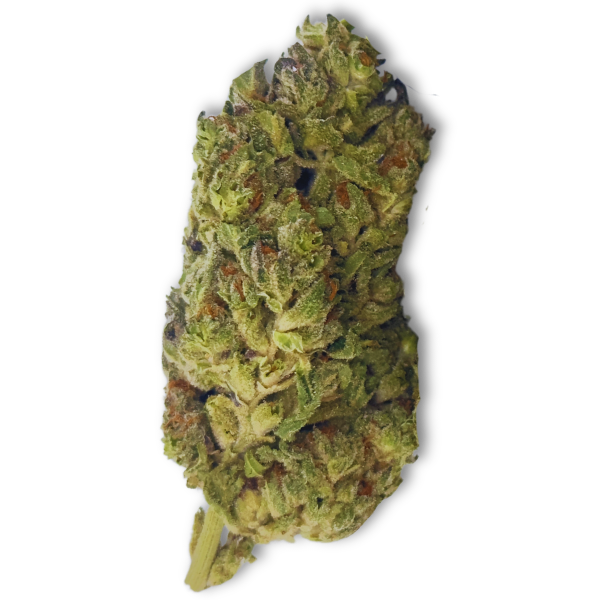
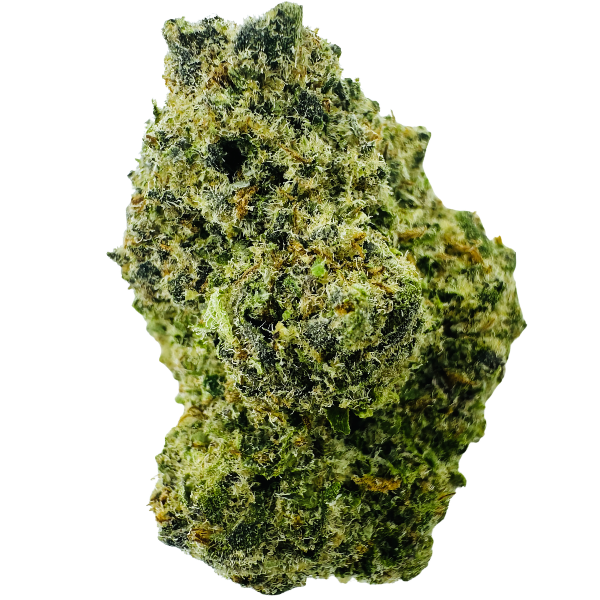
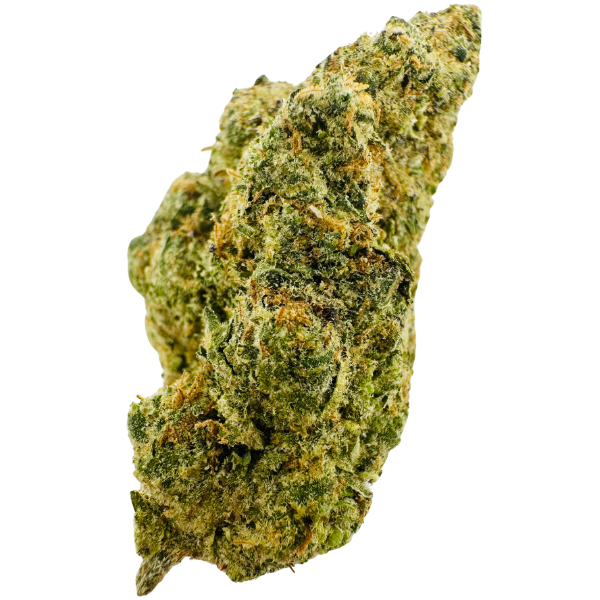
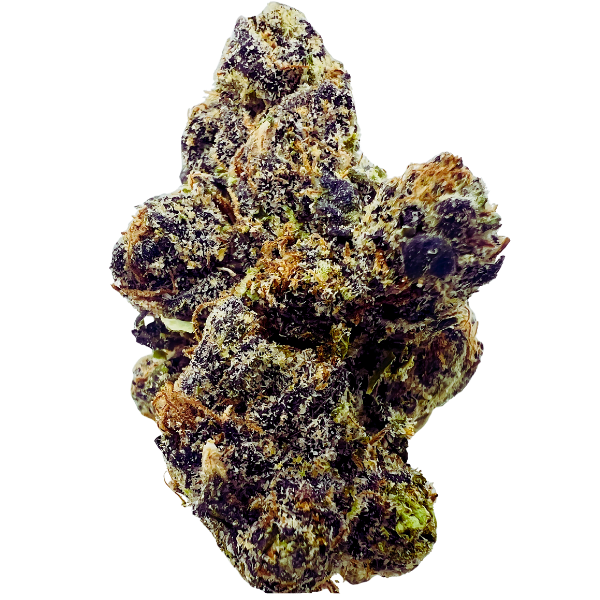
This is the nuance most people miss: THC-A and Delta-9 THC are different molecules. THC-A is the raw, non-psychoactive form found in the living plant. Delta-9 THC is the active form created by heat. The 2018 Farm Bill's 0.3% threshold applies specifically to Delta-9 THC, not THC-A. This means hemp flower can legally contain high levels of THC-A (20%, 30%, even 35%+) as long as the Delta-9 THC measured on the lab report stays at or below 0.3%. When you smoke or vape that flower, the THC-A converts to active Delta-9 THC.
Legal Comparison
- ≤0.3% Delta-9 THC (dry weight)
- Federally legal since 2018
- Can be shipped across state lines
- Regulated by USDA
- No federal purchase restrictions
- Same plant species (Cannabis sativa)
- >0.3% Delta-9 THC (dry weight)
- Federally illegal (Schedule I)
- Cannot cross state lines legally
- Regulated by state cannabis agencies
- Requires state-issued license to purchase
- Same plant species (Cannabis sativa)
Hemp flower can't produce real effects because it's limited to 0.3% THC.
The 0.3% limit applies to Delta-9 THC only — not THC-A. Hemp flower can legally contain 25%+ THC-A, which converts to active Delta-9 THC when heated. The experience of smoking high-THC-A hemp flower is functionally identical to smoking dispensary marijuana. The legal distinction is about the chemistry of the raw plant, not the end-user experience.
State Laws Vary
While hemp is federally legal, individual states can impose additional restrictions. Some states have banned smokable hemp, restricted THC-A levels, or implemented their own regulatory frameworks. It's important to check your state's specific laws. We monitor shipping restrictions and do not ship to states where our products are prohibited. Our shipping page lists current state availability, and we update it as laws change.
What This Means for You
When you buy from HAPPYPIP, you're purchasing federally compliant hemp flower that has been lab-tested to confirm Delta-9 THC content at or below 0.3%. Every batch comes with a Certificate of Analysis (COA) verifying this. You can legally purchase, possess, and consume these products in states where hemp is permitted. No dispensary card needed, no state registry, no special license. Just lab-tested, Farm Bill-compliant cannabis delivered to your door.
Legal, Lab-Tested, Delivered
Every product ships with lab reports verifying federal compliance. Check your state's eligibility and shop with confidence.
← Back to Knowledge