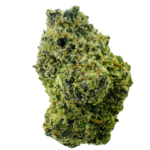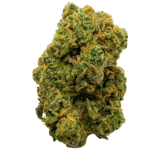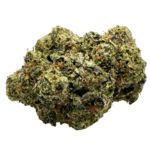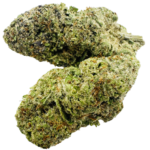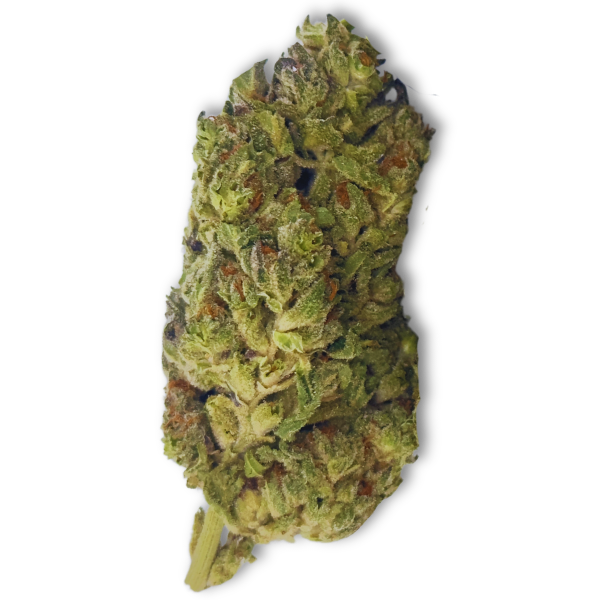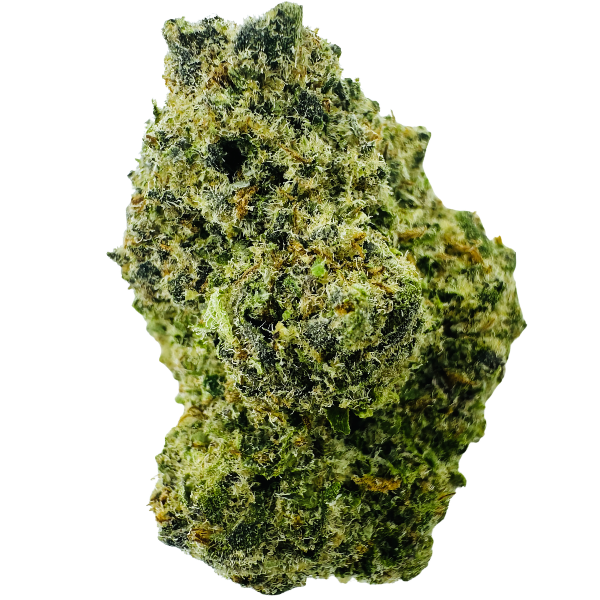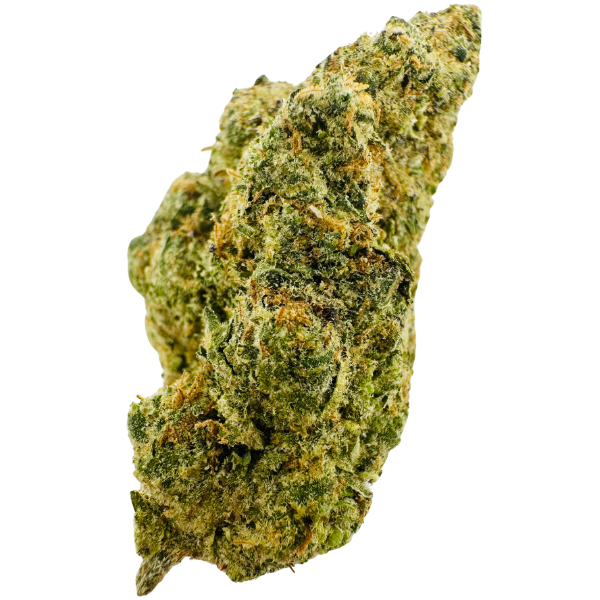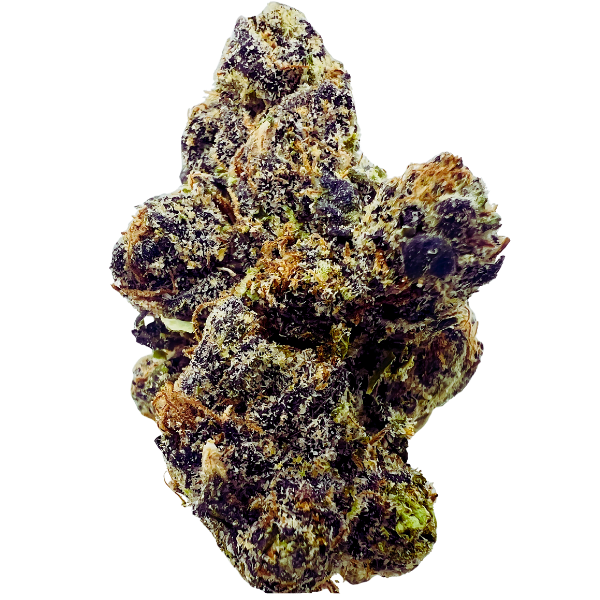


Indica, Sativa & Hybrid
Cannabis has traditionally been classified into three categories — Indica, Sativa, and Hybrid. These labels originated from botanical differences in how the plants grow, but over time they became shorthand for predicting effects. Indica is associated with relaxation, Sativa with energy, and Hybrid with a mix of both. While useful as a starting point, modern science suggests the real story is more nuanced.
What the Labels Originally Meant
The terms Indica and Sativa were first used in the 18th century to describe two distinct species of cannabis. Cannabis indica, classified by French biologist Jean-Baptiste Lamarck in 1785, described shorter, broad-leafed plants from India. Cannabis sativa, named by Carl Linnaeus in 1753, referred to taller, narrow-leafed plants grown in Europe for hemp fiber. These were botanical descriptions of plant structure — not predictions of how they would make you feel.
Traditional View
- Short, bushy plant structure
- Broad, wide leaves
- Shorter flowering cycle
- Associated with body relaxation
- Often recommended for evening use
- Tall, lanky plant structure
- Narrow, thin leaves
- Longer flowering cycle
- Associated with cerebral energy
- Often recommended for daytime use
Indica always makes you sleepy and Sativa always gives you energy.
A landmark 2015 study by Dr. Ethan Russo, published in Trends in Plant Science, concluded that the Indica/Sativa distinction as commonly used is "total nonsense." Decades of crossbreeding have made nearly all commercial cannabis genetically hybrid. The chemical profile — specifically the terpene and cannabinoid combination — determines effects far more reliably than the Indica or Sativa label.
Source: McPartland, Cannabis and Cannabinoid Research, 2018
What Actually Determines Your Experience
Research increasingly points to terpenes and the cannabinoid profile as the real drivers of effects. Myrcene, commonly found in "Indica" strains, has demonstrated sedative properties in animal studies (Pharmaceutical Biology, 2002). Limonene, prevalent in many "Sativa" strains, has shown mood-elevating and stress-reducing effects (Behavioural Brain Research, 2013). Rather than choosing by label, looking at the terpene profile gives you a much better indication of what to expect.
How to Actually Use These Labels
Indica, Sativa, and Hybrid are still useful as a general guide — they reflect trends in effects that many consumers recognize from experience. But treat them as a starting point, not a guarantee. For a more reliable prediction, look at the strain's terpene profile, THC-A percentage, and cannabinoid ratios. Your body chemistry, tolerance, dosage, and consumption method all play a role too. The best approach is to start low, pay attention to what works for you, and let your own experience be the guide.
Find Your Type
Now that you know what's behind the labels, explore our strains and filter by the effects that matter to you — not just the name.
← Back to Knowledge